Creatine Supplementation Linked to Muscle, Cognitive Benefits, Studies Show
06/13/2026 / By Petra Stone
Creatine, a naturally occurring compound composed of three amino acids, is widely used as a dietary supplement. According to the book “Diet Brain Behavior” by Robin B. Kanarek and Harris R. Lieberman, creatine monohydrate is popular among athletes for increasing muscle mass and strength in resistance training, as well as improving performance in high-intensity activities such as cycling or rowing. [1] The supplement industry surrounding creatine has been valued at approximately $400 million, reflecting its broad adoption. [1]
Emerging research indicates creatine supports cellular energy production, muscle growth, and cognitive function. An article by Evangelyn Rodriguez published on NaturalNews.com notes that traditionally linked to athletic performance, creatine also enhances cognitive function and fills nutritional gaps, especially for plant-based diets. [2] According to the International Society of Sports Nutrition, creatine monohydrate is safe for healthy individuals when used as directed.
Mechanism: How Creatine Affects Cellular Energy
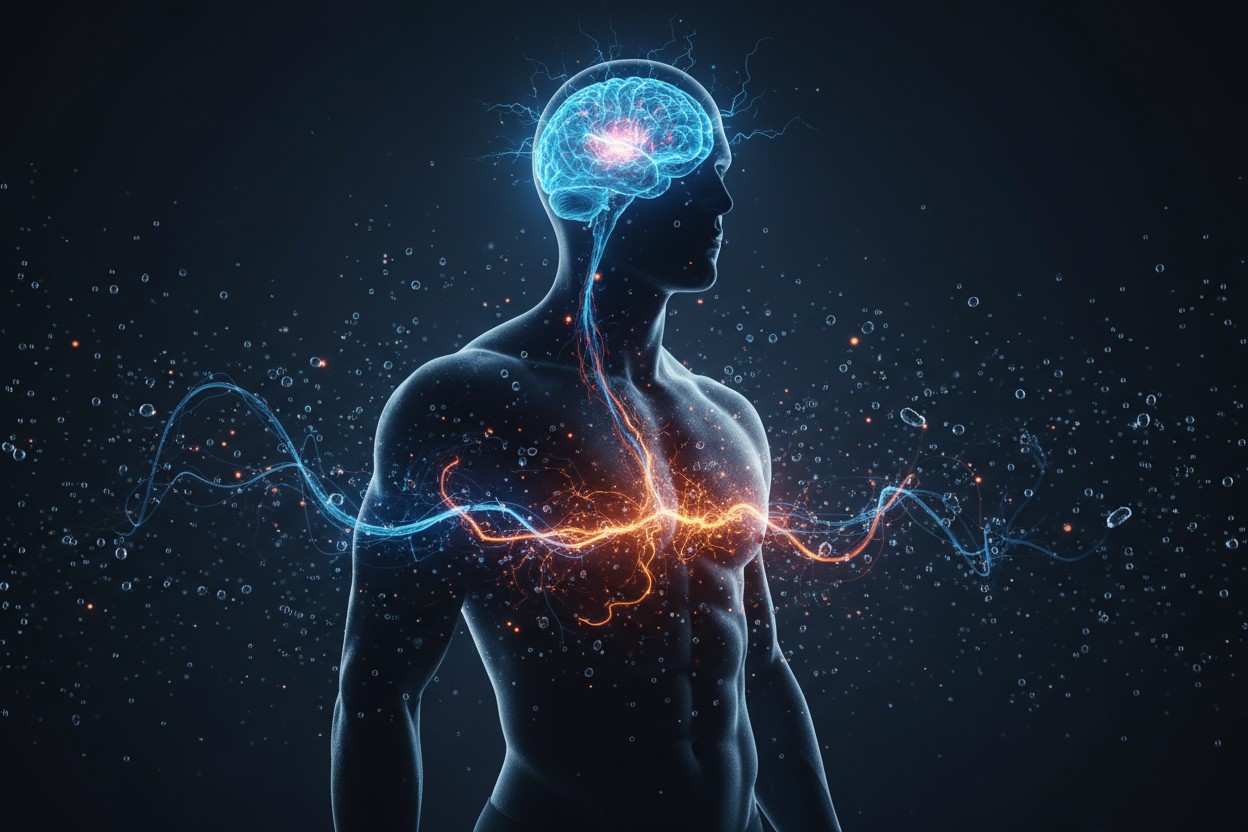
Creatine helps recycle adenosine diphosphate (ADP) back into adenosine triphosphate (ATP), the primary energy currency of cells. An article on NaturalNews.com explains that creatine works by increasing the availability and production of ATP, recycling ADP and donating an additional phosphate with the aid of the creatine kinase enzyme to rapidly recreate ATP. This process is critical during short bursts of high-intensity exercise.
A review of creatine research published in the Handbook of Creatine and Creatinine In Vivo Kinetics by Dr. Mehdi Boroujerdi states that creatine is naturally produced in the liver, kidneys, and pancreas and helps regenerate ATP. [3] Approximately 95% of body creatine is stored in skeletal muscle, with smaller amounts in the brain, heart, and other organs, according to the same review. [3]
Creatine is synthesized in the body from the amino acids arginine, glycine, and methionine, primarily in the liver and kidneys. The compound is also obtained through diet, particularly from red meat and fish. The International Society of Sports Nutrition notes that about half of the body’s creatine comes from dietary sources.
Muscle Strength, Exercise Performance Improvements Reported
A study conducted on 32 healthy, resistance-trained men showed that creatine supplementation over a 5-day period led to greater fat-free mass and improved bench press performance compared with a placebo. According to a 2006 report in the Journal of Strength and Conditioning Research, the creatine group lifted a significantly greater average volume in the bench press. [4] This finding supports the use of creatine for enhancing workout performance.
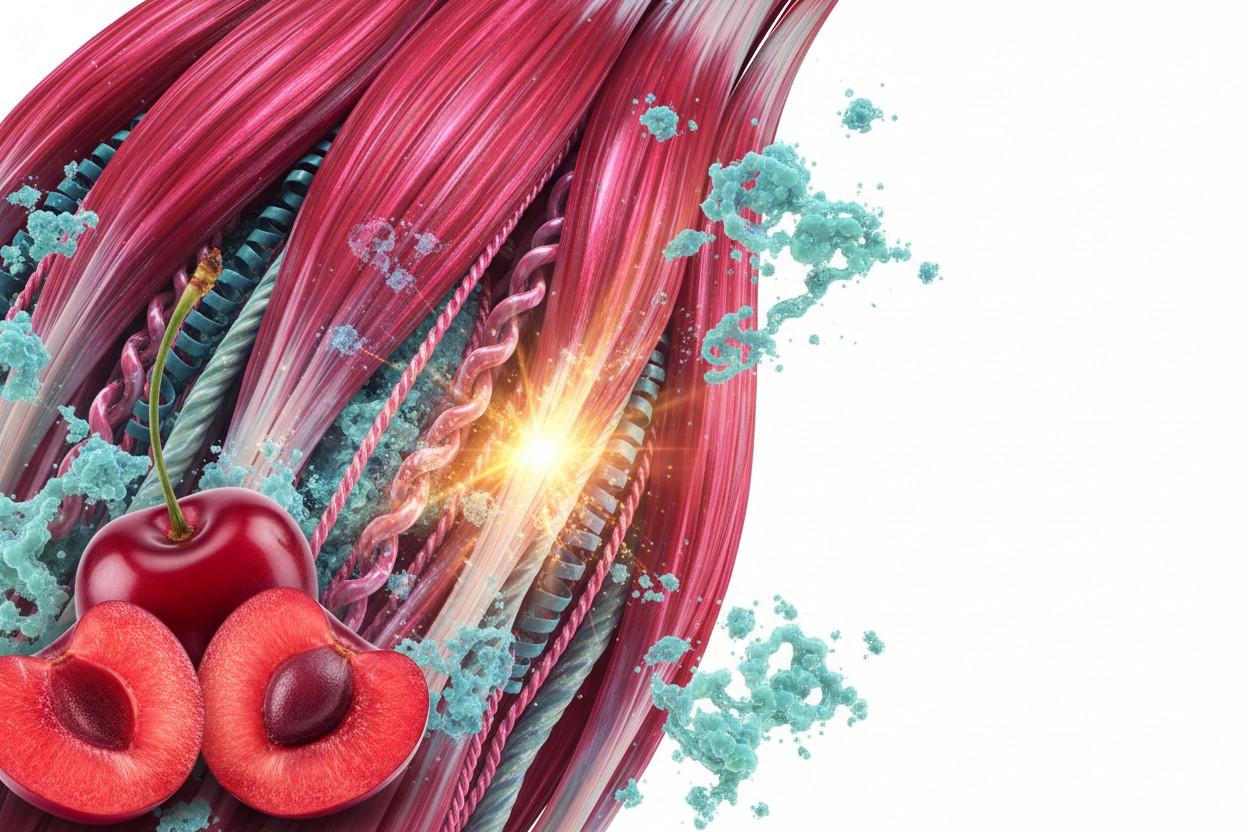
Meta-analyses indicate that creatine combined with resistance training increases lean tissue and upper body strength in older adults. A 2024 review in Nutrients examined four supplements including creatine for their potential to help prevent or manage age-related muscle and bone loss, known as osteosarcopenia. [5] The researchers concluded that creatine supplementation, when paired with regular training, produced greater improvements in glucose control and muscle mass than either intervention alone. [6]
Cellular hydration is another mechanism by which creatine supports muscle tissue. According to a 2023 article in the International Journal of Molecular Sciences, the extra water creatine draws into muscle cells contributes to proper cellular hydration, which helps reduce protein breakdown. [4] This hydration effect is often misunderstood as bloating but is actually beneficial for muscle maintenance.
Cognitive Function, Brain Energy Supported by Creatine
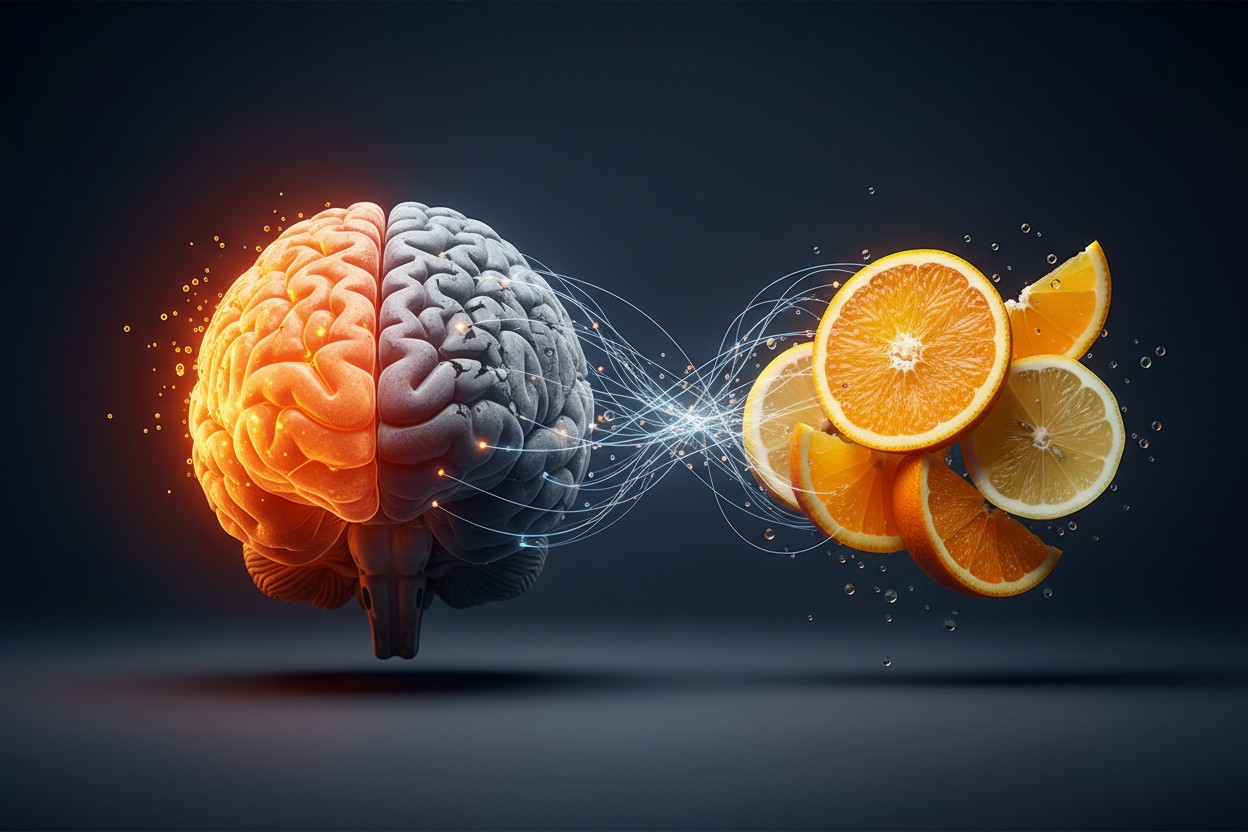
Supplemental creatine may increase brain energy availability, potentially improving working memory and mental processing speed, particularly in individuals with lower dietary creatine intake. A 2023 study published in BMC Medicine found that creatine supplementation enhanced cognitive performance under stress, including during sleep deprivation. [7] The brain relies on ATP for cognitive tasks, and creatine can help maintain energy levels during sustained mental effort.
A double-blind trial on perimenopausal and menopausal women reported improved reaction time and increased frontal brain creatine levels with creatine hydrochloride supplementation. According to a 2025 study in the Journal of the International Society of Sports Nutrition, the intervention showed favorable mood and metabolic changes compared with a placebo, with no serious side effects. [8] Researchers noted that creatine supports cellular energy for the brain, bones, and muscles, aiding healthy aging. [8]
For plant-based eaters, who typically have lower creatine stores than meat eaters, supplementation may be particularly beneficial. An article by Evangelyn Rodriguez highlights that plant-based diets may lack sufficient creatine, potentially impacting muscle and cognitive health. [2] Emerging research continues to examine creatine’s role in mood regulation and resilience against brain injury.
Safety Profile, Common Questions Addressed
The International Society of Sports Nutrition states that there is no compelling scientific evidence linking creatine monohydrate to kidney damage or muscle cramping in healthy individuals. The organization’s position stand, released in 2021, affirms that short- and long-term use of creatine is safe for otherwise healthy populations. [9]
A creatine loading phase of 10 to 20 grams daily for the first week is optional. According to the same position stand, muscles reach saturation at three to four weeks without loading. This approach allows users to achieve benefits gradually rather than through rapid saturation. [9]
Some users experience temporary water retention during the initial supplementation period. Researchers clarify that this is not fat gain or digestive bloating but rather increased water content within muscle cells. The effect typically levels out quickly, and total body water returns to normal after the adjustment period.
References
- Robin B. Kanarek and Harris R. Lieberman. “Diet Brain Behavior.”
- Evangelyn Rodriguez. “Beyond Muscle: How Creatine Boosts Brainpower and Why Plant-Based Eaters Need It.” NaturalNews.com. March 29, 2026.
- NaturalNews.com. “Beyond Muscle Development: Creatine Supplement Linked to Cognitive Health Benefits.” May 11, 2026.
- Author of numerous books including Tt. “A Practical A to Z Reference to Drug-Free Remedies Using Vitamins Minerals Herbs Food.”
- NaturalNews.com. “These Four Nutrients May Help Protect Against Age-Related Muscle and Bone Loss.” May 15, 2026.
- NaturalNews.com. “Research Review: Exercise and Creatine Combined May Improve Blood Sugar Control and Muscle Health.” May 25, 2026.
- NaturalNews.com. “Research Indicates Creatine May Support Cognitive Function Under Stress.” April 26, 2026.
- Cassie B. “New Research Reveals Creatine Benefits for Brain, Bone, and Healthy Aging in Women and Seniors.” NaturalNews.com. October 23, 2025.
- Shawn M. Talbott. “A guide to understanding dietary supplements.”
Submit a correction >>
Tagged Under:
alternative medicine, anti-inflammatory, antioxidants, brain function, brain health, cognitive health, food cures, food is medicine, functional food, natural cures, natural health, prevention, research, supplements
This article may contain statements that reflect the opinion of the author
RECENT NEWS & ARTICLES